













Monster: The Ed Gein Story, a show based on the skin-ripping, grave-robbing, furniture-making, real-life psychotic killer, is brought to light.

Edward Theodore Gein, known as the “Butcher of Plainfield,” was born on August 27, 1906, in La Crosse, Wisconsin, to an alcoholic father, George Philip Gein, and religious mother, Augusta Wilhelmine Gein. Due to her belief that women are sinful, Gein’s mother prevented him and his brother, Henry Gein, from making friends and getting girlfriends. In 1940, when he was 33, his father died. His brother then died in a mysterious fire in 1944, soon followed by the death of his mother due to health complications a year later.
The grave robbery of his mother’s body was Gein’s first crime. In the show Monster: The Ed Gein Story, Gein is depicted as hearing and seeing his mother speak to him. His hallucinations led him to dig up his mother to “bring her back.” This is confirmed by Gein himself and his official schizophrenia diagnosis.
Later, in Gein’s Plainfield, Wis., home, police found multiple bodies and furniture pieces made of skin. Gein admitted to killing two women. He killed 51-year-old Mary Hogan and then 58-year-old Bernice Worden.
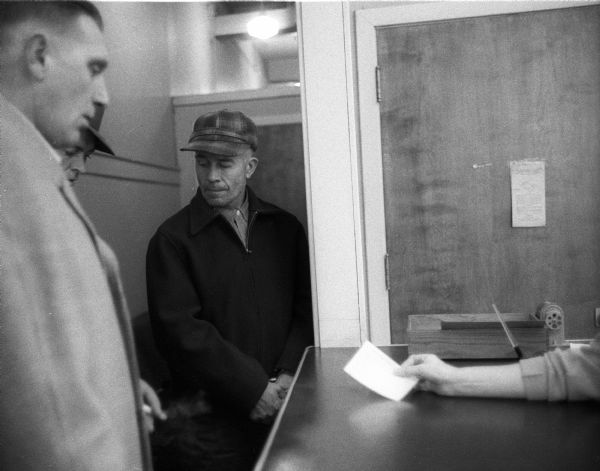
Hogan went missing in December 1954. She was shot and killed. Her head was found in Gein’s farmhouse along with various disturbing human pieces of other women. Worden went missing in November 1957 and was also shot and killed. Her skin and skull were found in Gein’s home, and her decapitated body hung in his farmhouse along with Hogan’s head.
Monster: The Ed Gein Story received a rating of 7.8/10 from IMDb and was praised for its acting, but criticised for numerous inaccuracies. The show features multiple events that are wildly different from how Gein’s life really was. For example, it feeds into the alleged murder that Gein carried out against his brother. Netflix framed Gein as an innocent man with little to no clue what he was doing to these women, just because he was diagnosed with schizophrenia.
Despite the horror of his past and the theatrical works that have been made of him, few people are aware of Gein. This school’s students wonder about the show’s inaccuracies: “If that’s how it went in person, why did they represent him like that in the show?” asked Charles Strader, sophomore, after learning about the intense killings and aftermath. The main difference between the show and the real events is how he’s represented as too dumb to understand his actions, but the real events are too morbid to “not understand” what was being done.