











Since his first term in 2016, President Donald Trump has pushed for deregulatory actions across several federal agencies in hopes of restoring prosperity for American consumers and businesses by removing bedrock climate change policies.
Among these agencies is the Environmental Protection Agency (EPA), a federal agency founded more than 50 years ago to protect the environment and human health. They do this by enforcing regulations and conducting research. Two of their most recognized laws are the Clean Air and Clean Water Acts. Both drafted around 1970, their goals have been to manage air emissions and water pollution.
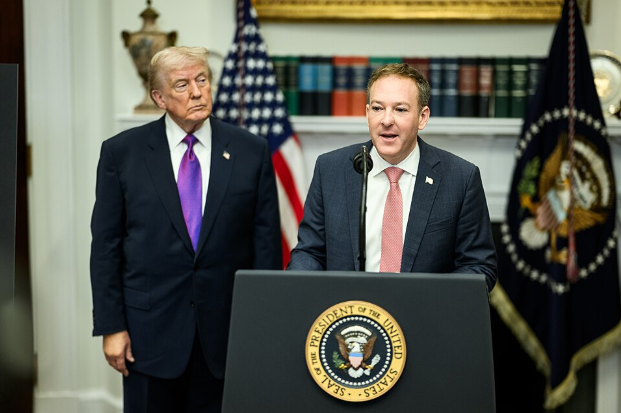
During a press conference in Washington on Feb. 12, EPA Administrator Lee Zeldin and Trump announced that the EPA was overturning both the 2009 Greenhouse Gas (GHG) Endangerment Finding and all subsequent federal GHG emission standards.
“Referred to by some as the ‘Holy Grail’ of the ‘climate change religion,’ the Endangerment Finding is now eliminated,” said Zeldin.
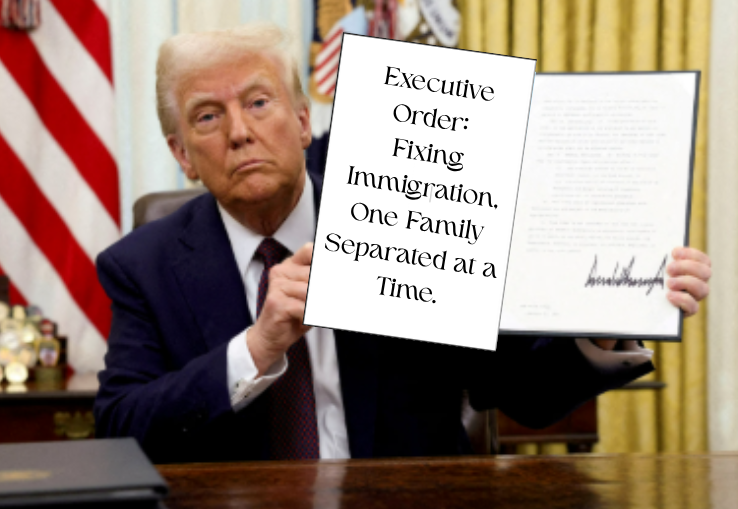
In Executive Order 14154, Trump states his intent to “rebuild our Nation’s economic and military security,” but his actions raise public speculation. As the drive to deregulate continues, broad coalitions of democratically led states and public health groups have taken the EPA to court, challenging its efforts.
“The Trump Administration’s attack on science is disastrous. Without a doubt, the American people will be harmed by this Administration’s reckless decisions. Trump and Zeldin have no intention to follow the law and support the use of the best available science, but instead get rid of research to allow companies to pollute our Earth without regard to the health of American people,” said Congresswoman Zoe Lofgren in a press release, Feb 13, 2026.
Students have also voiced their concerns, with Marialena Ruocho, sophomore, saying, “That’s how we get our water. That’s how we get water to shower, to cook, to drink. Who would want to be drinking polluted water that could have lead or too much chlorine?”
As subsequent administrations and courts continue to address these changes, several key decisions remain pending, leaving the next phase of federal environment policy still to be determined.